Official Archive Record
Case File CF-0055
Shrunken Heads: The Tsantsa Mystery
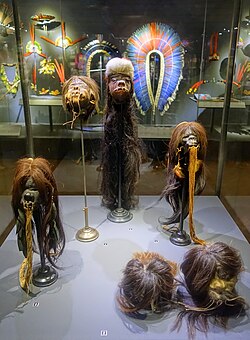
Shrunken heads are one of those topics where the pop-culture version almost blocks the real story. People think of haunted museums, jungle adventure movies, cursed objects, or some weird thing sitting in a cabinet. But tsantsas were not just props. They were human remains connected to belief, violence, power, trade, and colonial collecting.
What Happened
Shrunken heads, often called tsantsas, are most famously associated with the Shuar and Achuar peoples of the Amazon region of Ecuador and Peru. In the original cultural context, these were not made as tourist souvenirs or horror decorations. They were connected to warfare, spiritual belief, and the idea of controlling or neutralizing the power of an enemy.
The process was real. The skin and hair were removed from the skull. The skull itself was discarded, and the remaining skin was treated, heated, shaped, and reduced in size. The eyes and mouth were sealed. The result was a small human head with recognizable features, hair, and a disturbing presence that made it unforgettable.
But the story changed once outsiders began collecting them.
By the 19th and 20th centuries, tsantsas became highly desired by collectors, museums, and traders. That demand created a market. Once money, guns, and curiosity entered the picture, the practice was no longer only about its original ritual meaning. Trade demand encouraged more violence and also produced fake shrunken heads made from animals, other human remains, or manufactured materials.
That makes the modern museum problem complicated. Some shrunken heads are authentic ceremonial tsantsas. Some are commercial objects made for trade. Some are fakes. All of them sit inside a difficult history of human remains being collected, displayed, sold, and stared at by people far from the culture they came from.
Why It Matters
Shrunken heads matter because they force two different reactions at the same time. The first reaction is horror. A human head reduced to the size of a fist is hard to look at without feeling the body recognize danger.
The second reaction should be responsibility.
These were not Halloween decorations. They were connected to real people, real communities, and real beliefs. When museums displayed them as exotic curiosities, they often stripped away the meaning and turned human remains into spectacle. That is why some museums have removed tsantsas from public display and are working with Indigenous communities about how these remains should be treated.
The mystery is not whether shrunken heads were real. They were. The deeper question is what happens when sacred or violent objects leave their original world and become trophies in someone else’s cabinet.
T Funk Take
Shrunken heads are strange because they sit right at the edge of curiosity and disrespect. The archive wants to look. The human being has to slow down and remember what is being looked at.
A tsantsa is not just a creepy object. It was a person. Then it became a ritual object. Then outsiders turned it into a collectible. Then museums turned it into evidence of “exotic” people, often without giving those people the dignity of explaining what the object meant.
That is where this file gets darker than the object itself.
The scariest part is not that shrunken heads exist. The scariest part is how quickly human remains can become souvenirs when enough distance is placed between the viewer and the dead.
Until the cabinet gives the person back their name, this one stays in the archive.