Official Archive Record
Case File CF-0054
The South Atlantic Deep-Sea Creature
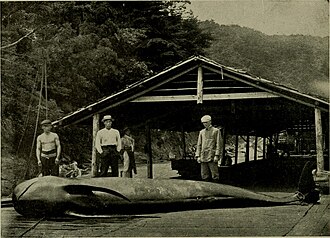
Some sea monster stories begin with a sailor seeing something in the waves. Trunko is stranger than that. This one begins with reports of a weird white creature fighting whales off the coast of South Africa.
What Happened
On October 25, 1924, a strange mass reportedly washed ashore near Margate, South Africa. Witnesses described it as a large, pale creature with what looked like white fur, an elephant-like trunk, and no obvious bones. Some accounts claimed that before it washed ashore, it had been seen fighting or thrashing in the water near whales.
The creature became known as Trunko.
The story has all the ingredients of an old sea monster file: a distant beach, a strange body, dramatic witness descriptions, and not enough scientific documentation at the moment it mattered. The carcass was reportedly on the beach for days, but no formal scientific examination settled the question while it was fresh.
For decades, Trunko lived in the archive as a possible unknown animal. The idea of a white, furry sea creature with a trunk sounds almost too strange to ignore. It feels like something dragged up from an older ocean.
Later explanations suggested that Trunko was probably not a new species at all. Many researchers now treat it as a globster — a badly decomposed marine carcass, likely from a whale or shark. Under the right conditions, decaying tissue can look like hair, skin can separate in strange ways, and a familiar animal can become almost unrecognizable.
Why It Matters
Trunko matters because the ocean is very good at making normal things look impossible.
A carcass in the water does not stay polite for the camera. It bloats, tears, rolls, rots, and changes shape. By the time it reaches shore, it may no longer look like the animal it came from. That is how whale remains become sea serpents, basking sharks become monsters, and tissue fibers become “fur.”
But that does not make the story boring. It makes it more useful.
Trunko shows how ocean mysteries are born. A real object appears. People see it. They describe it with the words they have. The body vanishes, science arrives too late, and the story hardens into legend.
T Funk Take
Trunko sounds like a whale carcass to me. Anything can look like anything in the water under less-than-ideal light.
White fur and a trunk do not make much sense for a sea creature. Maybe a woolly mammoth thawed out of the ice somewhere and somehow found its way there. That makes about as much sense as a furry elephant-fish fighting whales off the coast of South Africa.
The more likely answer is that the ocean did what the ocean does. It took a dead animal, broke it down, rolled it around, stripped it apart, and sent it back to shore looking like something that never should have existed.
Until the sea returns the body in better condition, Trunko stays weird in the archive.