Official Archive Record
Case File CF-0051
Megalodon: The Shark That Refuses to Stay Extinct
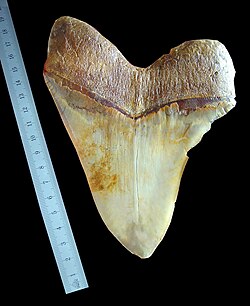
Megalodon is the ocean monster people do not want to let go of. It was real. It was huge. It was a shark. That combination is almost unfair to the imagination.
What Happened
Megalodon was a massive prehistoric shark that lived for millions of years and fed on large marine animals. Its teeth are the main reason we know it so well. Sharks constantly shed teeth, and megalodon left behind giant fossil teeth across the world.
The mainstream scientific view is that megalodon went extinct around 3.6 million years ago. Its disappearance likely involved major changes in ocean temperature, food supply, nursery habitats, and competition with other predators, including early great white sharks.
But the survival theory refuses to die.
The basic claim is simple: the ocean is enormous, much of it is still unexplored, and large animals have surprised us before. If giant squid, coelacanths, and other strange creatures can stay hidden from ordinary life, could a giant prehistoric shark still be somewhere in the depths?
That is where the theory runs into trouble.
Megalodon was not a tiny fish hiding in a cave. It was a huge apex predator that would need a massive food supply. It would likely leave evidence: fresh teeth, bite marks on whales, carcasses, ecological disruption, sonar records, clear sightings, or modern remains. So far, that evidence has not appeared.
The deep ocean also does not fit megalodon very well. The popular hiding place is “the deep,” but megalodon was probably a warm-water predator tied to productive marine ecosystems and large prey. A giant shark surviving in the cold, low-food deep sea is a harder story to make work than people think.
Why It Matters
The megalodon survival theory matters because it shows how powerful the ocean still is in the human imagination. Space gets the spotlight, but the ocean has its own alien quality. It is dark, deep, dangerous, and full of things we still do not fully understand.
That mystery gives old monsters room to breathe.
Scientifically, megalodon being alive today is extremely unlikely. The fossil record, ecology, and lack of modern evidence all point toward extinction. But emotionally, people understand why the idea survives. A living megalodon would mean the map is not finished. It would mean the biggest shark in history never really left.
That is why the theory keeps swimming.
T Funk Take
Megalodon not being extinct is something I do not want to be true, and I will argue that it is extinct until proven otherwise. Hopefully, that proof arrives through the internet and not because I become a snack for the beast.
However, my thoughts drift back to something I have heard before: “We know more about the Moon than we do about the oceans.” Who knows if that is even true, but I understand why people say it.
If you have ever been on a boat in deep water, you know the feeling. You look out at the ocean and think about how much is underneath you that you cannot see. Every once in a while, ocean life breaks that glass ceiling and enters the atmosphere right in front of your face. A fish jumps. A dolphin surfaces. A whale breaches. For one second, the hidden world underneath you becomes visible.
Then it disappears again.
That is what keeps the imagination working. I do not think megalodon is still alive, but I understand why the ocean makes people leave the door cracked open. It is too big, too deep, and too indifferent to feel completely solved.
Until the ocean coughs up a fresh tooth, this one stays extinct in the archive.