
Official Archive Record
Case File CF-0079
Dogs and the Invisible World of Scent
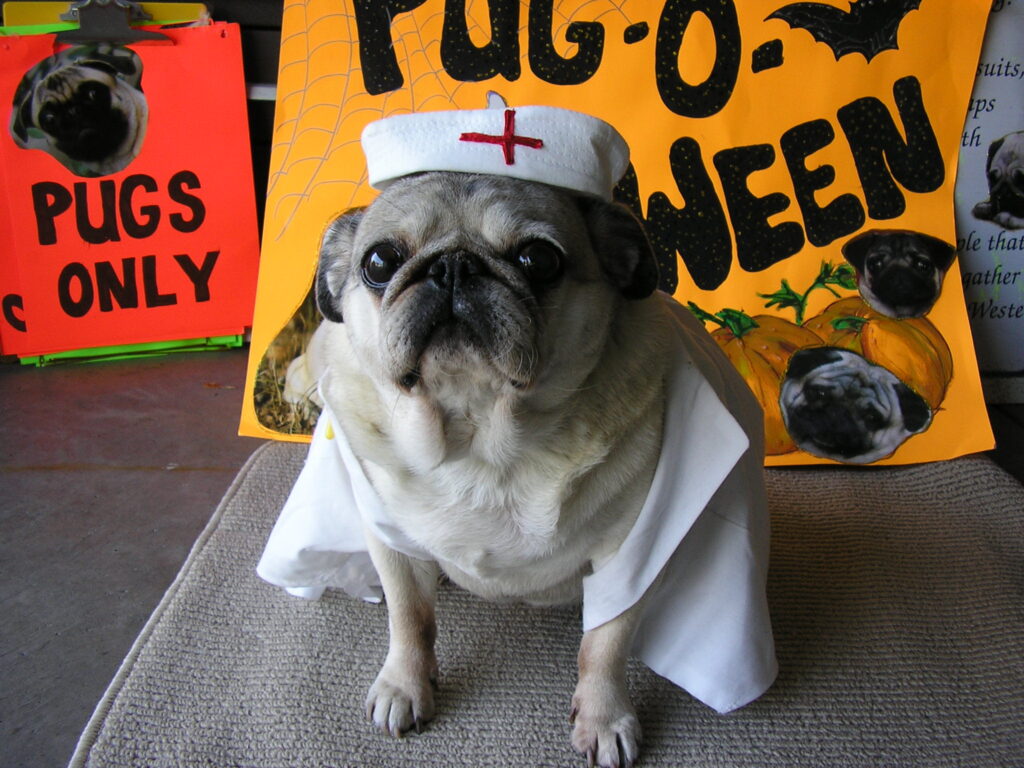
Humans mostly trust their eyes. Dogs trust the air.
A dog walking through a room is not just seeing furniture, walls, and people. It is reading a chemical history of the space. Who was there? What they touched. What they ate. What they carried. Where they walked. What animal passed through before them. What changed since yesterday.
To a dog, the world is layered with invisible evidence.
What Happened
Dogs have one of the most powerful scent systems humans regularly interact with. Their noses contain far more scent receptors than ours, and a much larger share of the canine brain is devoted to analyzing odor. Dogs can also use scent directionally, almost like a compass, because they can sample odor information through each nostril.
That changes what “smelling” means.
A human smells soup. A dog smells the meat, salt, vegetables, oil, hand that stirred it, floor it spilled on, and person who walked past the kitchen ten minutes earlier.
This ability has made dogs valuable partners in search-and-rescue, tracking, explosives detection, drug detection, conservation work, medical detection, and disaster recovery. Dogs have been trained to locate missing people, detect human remains, identify explosives, and even respond to chemical changes associated with illness.
Medical scent detection is one of the strangest areas. Studies have explored whether trained dogs can detect cancers, infections, COVID-19, blood-sugar changes, seizures, and other health conditions through scent. The science is still developing, and results depend heavily on training, testing design, and standardization. But the basic idea is not magic. Human bodies release volatile organic compounds, and disease can change that chemical signature.
Why It Matters
Dogs’ sense of smell matters because it reminds us that humans experience only a thin slice of reality.
We act like the visible world is the main world because vision dominates our lives. But scent is information. Scent is time. Scent is memory left in the air.
A dog can walk into a place and notice things we never knew were there. That makes them useful, but it also makes them eerie. A dog reacting to someone may not be reacting to nothing. It may be reacting to stress, hormones, another animal, sickness, food, fear, or an old trail we cannot detect.
That does not mean dogs are psychic. It may mean they are reading a part of the world humans are almost blind to.
T Funk Take
Dogs can recognize a scent with the same kind of certainty that we recognize a familiar face. That may be the closest point of reference we have.
Think of every face you have ever seen. Even strangers can sometimes feel familiar because you know you have seen them before. Now imagine if every face was a smell. Not just one smell, but a unique combination of scents attached to every person, place, animal, object, and moment.
That is a very different world.
I think that is one reason humans and dogs chose to live and thrive together. We complement each other almost perfectly. We know why humans like having dogs around. I do not have to explain that part. But the more interesting question is: why did the dog choose us?
Food is the common answer. Dogs stayed close to humans because humans had food, shelter, fire, scraps, and safety. That is probably true, but I think there is more to it than that.
Dogs found something in humans that nature could not always provide: predictability.
We wake up at certain times. We walk certain paths. We return to the same places. We repeat routines. To a dog, that may be one of the safest worlds possible. Nature is random. Humans are patterned.
That may be part of why dogs live with us so well. Over time, it became part of who they are. They learned us, and we learned them. They protect us. We protect them. They read our moods, our movements, our voices, and maybe even the chemical traces of our emotions.
That is a rare bond with an animal. Out of millions of species, only a tiny number have crossed that line into true domestication. Dogs did more than cross it. They became family.
I think dogs are affectionate because we bring order to their world, and that order gives them peace.
Until humans can smell yesterday, dogs stay ahead of us in the archive.
Sources & Further Reading
-
How Dogs Use Smell to Perceive the World
VCA Animal Hospitals
View Source -
Canine Olfaction: Physiology, Behavior, and Possibilities for Practical Applications
Animals / PubMed Central
View Source -
Canine Olfactory Detection of SARS-CoV-2-Infected Humans: A Systematic Review
Annals of Epidemiology / PubMed Central
View Source